Led by local relationships
Communities, schools, caregivers and professionals identify needs together, shaping support around local life.
 MUSTARD SEEDRESCUE CENTERPartner With Us
OUR WORK · TWO PRIORITIES
Healthcare and education are the two priorities of Mustard Seed Rescue Center. We care for medically underserved communities and give particular attention to education for orphaned children—creating room to learn, grow and be loved.
Healthcare
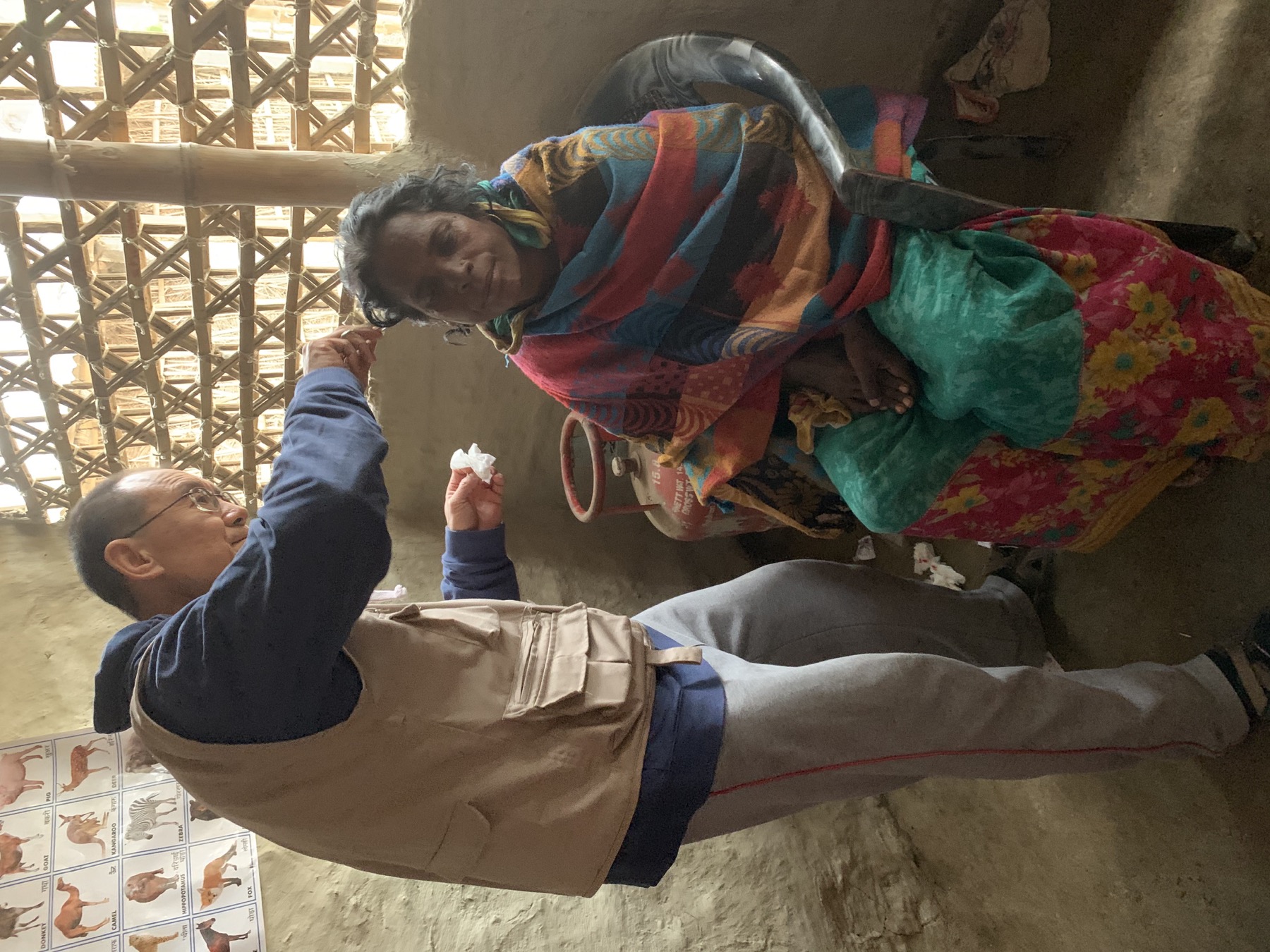
From rural clinics to home visits, healthcare responds to immediate needs while depending on trusted local relationships and follow-up. We aim to develop lasting care under the leadership of qualified professionals.
Plan community consultations, home visits and basic health assessments according to local needs and professional licensing requirements.
Help families understand everyday care and connect with local medical services when further assessment or treatment is needed.
Support local coworkers through supervised practice and continued learning, so that care can outlast a visiting team.
Education
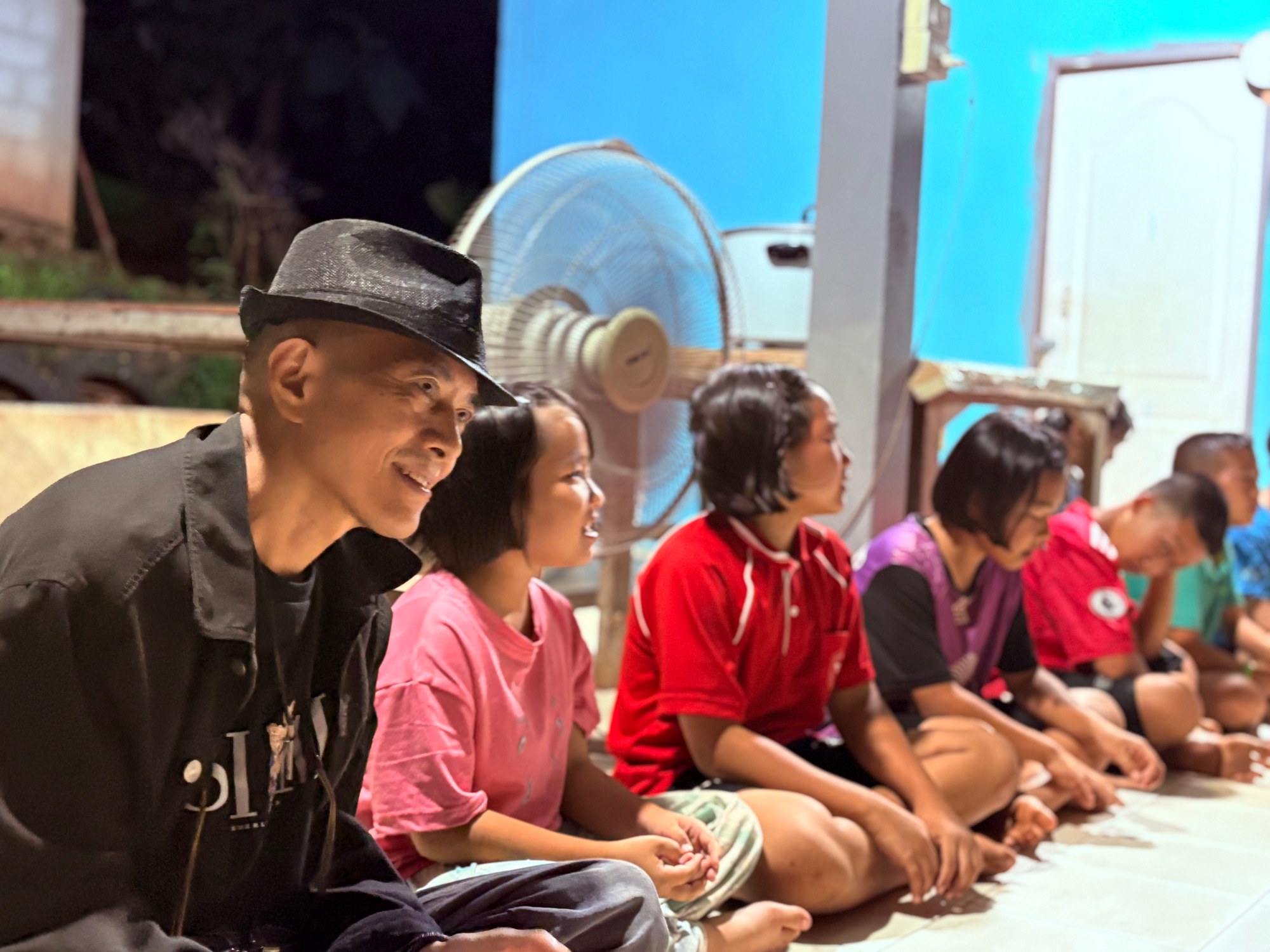
Education for orphaned children is a priority of our educational work. We hope to work with local schools, care providers and churches, also supporting children without stable family support, to build continuity in learning and trusted companionship.
Beyond a single visit: the opportunity to keep learning.
Understand access to school, continued attendance and learning-material needs with caregivers and local partners before agreeing on appropriate support.
Develop reading, language learning and homework support, with activities that complement formal schooling.
Use consistent companionship, music, sport and shared activities to support children’s expression, confidence and sense of belonging.
A SHARED FOUNDATION
Communities, schools, caregivers and professionals identify needs together, shaping support around local life.
Medical work follows professional standards; children’s activities require appropriate safeguarding, privacy and care arrangements.
Listen, prepare people and resources, then develop work step by step. A short visit cannot replace long-term responsibility.
These are priorities and proposed directions, not a claim that every program is already operating. Services depend on local permissions, partnerships, professional qualifications, safeguarding and resources. Photographs document team members’ existing service, not the launch of new education programs.